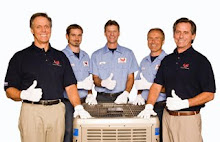
GET UP TO $11,175 IN INCENTIVES TO LOWER YOUR UTILITY BILLS AND IMPROVE THE COMFORT AND SAFETY OF YOUR HOME!
If your home was built prior to recent California energy code standards you may be eligible for up to $11,175 in incentives to make your home more energy efficient. To encourage homeowners to bring their homes in compliance to today’s energy standards; a massive alliance and new program has formed with the California Energy Commission (CEC), state-wide utilities including San Diego utility rebates and the city of Chula Vista.
Energy Upgrade California has been funded to drive energy upgrades to help you lower your utility bills and optimize your comfort, health and safety. This program also supports California’s goal of a state-wide energy reduction of 40% by 2020.
Available for a limited time in the form of a cash rebate from your local San Diego utility, this incentive can be combined with other existing incentives to save you even more:
ENERGY INCENTIVES & REBATES
Energy Upgrade California (San Diego Utility Provider).......Up To $4000 Cash Rebate
*The City of Chula Vista (For homes located in the CV area) ..Up To $4000 cash Rebate Match
Local Utility Solar Hot Water (Thermal) Incentive........................................Up To $1875
Federal Government Incentive.......................................................................Up To $2400
Manufacturer Energy Efficiency Incentive (Heating and A/C)………..........Up To $1200
High Efficiency Furnace Rebate.......................................................................Up To $200
Federal Tax Credit Based on High Efficiency Measures............................. Up To $1500
TOTAL INCENTIVES AVAILABLE TO YOU:........................................$11,175
TOTAL INCENTIVES AVAILABLE CHULA VISTA RESIDENTS …....$15,175
Energy Upgrades That Maximize Savings and Comfort
If you’re like most homeowners, you face common issues like high utility bills, rooms that are too hot or too cold, as well as drafts. They are signs that your home is wasting energy and money. These incentive levels are unprecedented and the time to act is now as homeowners will respond quickly.
For more information or to schedule an in-home energy audit and consultation,please contact ASI Hastings Heating & Air Conditioning your local quailed BPI* contractor at 1- 800-481-COOL (2665); or visit us online at www.asiheatingandair.com. www.greenhomesamerica.com
Qualifying Energy Upgrades: High Efficiency Heating & Cooling Equipment / Attic & Wall Insulation, Duct Replacement & Air Sealing / Solar Hot Water Solutions/ Windows & Doors
* Program rules stipulate you must use a Building Performance Institute (BPI) certified or accredited contractor and receive a comprehensive home energy audit to guarantee the qualifying rebate amount you will receive when approved upgrades are made. Please note Federal Tax Incentive expires 12/31/2010. Other incentives available while funds last. Contractor will assist with questions regarding all incentive paperwork.
Thursday, October 28, 2010
Wednesday, September 15, 2010
A National Fire Protection Agency report indicates that heating fire safety is a major concern.
http://www.asiheatingandair.com/
If you're like me, fire safety is always a top priority. Recently I received a 2005 report from the National Fire Protection Agency (NFPA) that I found extremely alarming; after reviewing the information I felt the need to share it with you.
According to the study, there were 62,200 reported home structure fires that involved heating equipment. That's the equivalent of every home in El Cajon, Alpine, La Mesa and Lakeside having a heating related fire in the same year. That unacceptable!
What troubles me most is these fires could have been avoided with common sense and some preventive maintenance. Following the some simple guidelines can help you avoid a heating related fire this winter:
If you use your fireplace as a primary source of heat have your chimney inspected and cleaned as needed.
If you are using a portable heating device: Only operate it when somebody is in the room, be sure that it is located away from draperies and other combustibles materials. If it is electric, be sure the electrical cord is in good shape and don't use extension cords. If it is fuel-burning only used approved fuels in a well ventilated area.
If you have a wall heater or central heating system:
• Have a heating tune-up and safety inspection to verify that they are operating safely and running at maximum efficiency.
• Furnaces are typically located in closets, attics and other discrete areas. If there's a problem you may not know about it right way.
A couple of items worth noting, Older furnaces don't have the necessary safety devices to offer protection in the event of a malfunction. Safety devices on newer furnaces need to be inspected and checked for proper operation. A filter change is only a very small part of a proper tune-up and safety inspection.
Don’t become a statistic…Be safe, have a licensed contractor inspect your heating system EVERY year.
If you're like me, fire safety is always a top priority. Recently I received a 2005 report from the National Fire Protection Agency (NFPA) that I found extremely alarming; after reviewing the information I felt the need to share it with you.
According to the study, there were 62,200 reported home structure fires that involved heating equipment. That's the equivalent of every home in El Cajon, Alpine, La Mesa and Lakeside having a heating related fire in the same year. That unacceptable!
What troubles me most is these fires could have been avoided with common sense and some preventive maintenance. Following the some simple guidelines can help you avoid a heating related fire this winter:
If you use your fireplace as a primary source of heat have your chimney inspected and cleaned as needed.
If you are using a portable heating device: Only operate it when somebody is in the room, be sure that it is located away from draperies and other combustibles materials. If it is electric, be sure the electrical cord is in good shape and don't use extension cords. If it is fuel-burning only used approved fuels in a well ventilated area.
If you have a wall heater or central heating system:
• Have a heating tune-up and safety inspection to verify that they are operating safely and running at maximum efficiency.
• Furnaces are typically located in closets, attics and other discrete areas. If there's a problem you may not know about it right way.
A couple of items worth noting, Older furnaces don't have the necessary safety devices to offer protection in the event of a malfunction. Safety devices on newer furnaces need to be inspected and checked for proper operation. A filter change is only a very small part of a proper tune-up and safety inspection.
Don’t become a statistic…Be safe, have a licensed contractor inspect your heating system EVERY year.


Monday, August 23, 2010
Keeping Your AC & Heating System Clean Saves You Money
www.asiheatingandair.com
The most important part of keeping your furnace and air conditioner properly maintained is keeping it clean. Dust, dirt, and other debris are your heating and cooling system’s worst enemies.
It is equally important to keep both you indoor and outdoor unit clean. Either of these units being dirty will cost you money and wastes energy. A dirty A/C or heater leads to excessively high utility bills, repair bills and premature equipment failure.
To avoid these inconvenient and costly breakdowns, we recommend that your heating and cooling system be checked and serviced twice a year; ideally spring and fall or summer and winter. We also recommend changing your air filter regularly, depending on the type of filter you have. This alone can eliminate many of the most common problems and reduce the likelihood of a serious breakdown
The most important part of keeping your furnace and air conditioner properly maintained is keeping it clean. Dust, dirt, and other debris are your heating and cooling system’s worst enemies.
It is equally important to keep both you indoor and outdoor unit clean. Either of these units being dirty will cost you money and wastes energy. A dirty A/C or heater leads to excessively high utility bills, repair bills and premature equipment failure.
To avoid these inconvenient and costly breakdowns, we recommend that your heating and cooling system be checked and serviced twice a year; ideally spring and fall or summer and winter. We also recommend changing your air filter regularly, depending on the type of filter you have. This alone can eliminate many of the most common problems and reduce the likelihood of a serious breakdown
Tuesday, August 10, 2010
Furnace Filters - What are Merv Ratings
Furnace Filters - MERV
What does MERV rating stand for? Minimum Efficiency Reporting Value.
MERV ratings are a method of determining the efficiency of an air filter used with heating and air conditioning equipment. The efficiency is determined by adding particles of varying sizes (1-12) into a controlled testing environment. The particles are added upstream of the test filter and a laser particle counter samples the air before it enters the filter and after it leaves the filter. The two particle counts are compared to calculate the Particle Size Efficiency of the tested filter. Once this is determined, a MERV Parameters chart is used to determine the MERV rating.
MERV ratings range from 1 - 16 and measurements are in microns. Some of the common particles related to MERV ratings are household dust, pet dander, viruses, tobacco smoke, mold spores, bacteria and pollen.
The most common filters found in homes today have a MERV rating of 1 to 4. Typically these are disposable fiberglass filters purchased from a big box store and do not do a good job of air filtration because they don’t stop particles smaller than 10 microns. Improper air filtration can lead to air conditioner and/or furnace problems as well as poor indoor air quality.
Merv 5 to 8 rated filters are a better choice. These filters will not only keep your equipment running clean and efficient when properly maintained, they also do a better job of filtering smaller dust particles (as small as 3 microns) that trigger symptoms with allergy sufferers. Filter replacement it is recommended a minimum of one time per season depending on usage.
If your air filter becomes clogged up with dirt and other indoor pollutants they will decrease the efficiency of your heating and air conditioning system leading to wasted energy and may cause damage or premature breakdown to your heating and air conditioning equipment.
Filters with a MERV rating of 9 to 12 are considered high-efficiency filters and capture particulate in the 1 to 3 micron range. These filters are a great choice for home owners who want the best air filtration at an affordable price. Much like the higher rated MERV 5-8 filters, these filters should also be replaced at regular intervals to avoid wasted energy, premature repairs or breakdown to your heating and air conditioning equipment.
The most efficient filters have MERV ratings of 13 to 16 (HEPA air filter) and will stop particles as small as .3 microns. These filters are hospital grade and have been adapted for use in residential applications. Super high efficiency air filters should be installed by a professional heating and air conditioning contractor. Improper installations could lead to severe damage to your furnace or air conditioner.
The most common benefits of using a high-efficiency air filter are:
1. Energy savings because of cleaner furnaces and cooling coils.
2. Allergy and asthma relief (in many cases) because of reduced airborne particulates and allergens.
3. Longer heating and air conditioning equipment life.
4. Cleaner homes leading to less need for repainting and furniture cleaning.
ASI Hastings offers a complete line of high-efficiency air filters, UV air purification, humidifiers and other indoor air quality products. Call 1-800-481-COOL (2665) or visit us at asiheatingandair.com for a free in home consultation. For your convenience, ASI Hastings offers evening and weekend service at no extra charge.
What does MERV rating stand for? Minimum Efficiency Reporting Value.
MERV ratings are a method of determining the efficiency of an air filter used with heating and air conditioning equipment. The efficiency is determined by adding particles of varying sizes (1-12) into a controlled testing environment. The particles are added upstream of the test filter and a laser particle counter samples the air before it enters the filter and after it leaves the filter. The two particle counts are compared to calculate the Particle Size Efficiency of the tested filter. Once this is determined, a MERV Parameters chart is used to determine the MERV rating.
MERV ratings range from 1 - 16 and measurements are in microns. Some of the common particles related to MERV ratings are household dust, pet dander, viruses, tobacco smoke, mold spores, bacteria and pollen.
The most common filters found in homes today have a MERV rating of 1 to 4. Typically these are disposable fiberglass filters purchased from a big box store and do not do a good job of air filtration because they don’t stop particles smaller than 10 microns. Improper air filtration can lead to air conditioner and/or furnace problems as well as poor indoor air quality.
Merv 5 to 8 rated filters are a better choice. These filters will not only keep your equipment running clean and efficient when properly maintained, they also do a better job of filtering smaller dust particles (as small as 3 microns) that trigger symptoms with allergy sufferers. Filter replacement it is recommended a minimum of one time per season depending on usage.
If your air filter becomes clogged up with dirt and other indoor pollutants they will decrease the efficiency of your heating and air conditioning system leading to wasted energy and may cause damage or premature breakdown to your heating and air conditioning equipment.
Filters with a MERV rating of 9 to 12 are considered high-efficiency filters and capture particulate in the 1 to 3 micron range. These filters are a great choice for home owners who want the best air filtration at an affordable price. Much like the higher rated MERV 5-8 filters, these filters should also be replaced at regular intervals to avoid wasted energy, premature repairs or breakdown to your heating and air conditioning equipment.
The most efficient filters have MERV ratings of 13 to 16 (HEPA air filter) and will stop particles as small as .3 microns. These filters are hospital grade and have been adapted for use in residential applications. Super high efficiency air filters should be installed by a professional heating and air conditioning contractor. Improper installations could lead to severe damage to your furnace or air conditioner.
The most common benefits of using a high-efficiency air filter are:
1. Energy savings because of cleaner furnaces and cooling coils.
2. Allergy and asthma relief (in many cases) because of reduced airborne particulates and allergens.
3. Longer heating and air conditioning equipment life.
4. Cleaner homes leading to less need for repainting and furniture cleaning.
ASI Hastings offers a complete line of high-efficiency air filters, UV air purification, humidifiers and other indoor air quality products. Call 1-800-481-COOL (2665) or visit us at asiheatingandair.com for a free in home consultation. For your convenience, ASI Hastings offers evening and weekend service at no extra charge.
Thursday, July 29, 2010
Cash for clunker appliances now includes central air conditioners, furnaces and heat pumps
www.asiheatingandair.com
Effective July 28, the California Energy Commission (CEC) will be administering an estimated $20 million for the California State Energy Efficient Appliances Rebate Program (SPEEARP), also known as cash for clunker appliances.
For the first time central air conditioners, furnaces and heat pumps will be included in this program. Funding will be awarded on a first-come, first-served basis to eligible residential consumers who purchase California qualified residential Energy Star appliances. The new heating and air system must replace equipment of the same type that is properly recycled; limit one system per household.
This program will provide up to $1300 in rebates on high efficiency central air conditioners, high-efficiency furnaces and high-efficiency heat pump systems. This $1300, combined with federal tax credits, utility rebates and manufacturer rebates will enable homeowners to get as much as $4,200.00 towards the installation of a new heating and cooling system.
$4200 is huge amount; in my 36 years in the industry I have never seen rebates and incentives like this. Qualifying homeowners will be able to get the most energy efficient equipment ever designed for a fraction of the price. And best of all you will be able to slash the cost of heating and cooling your home 30% to 70%.
This truly is the best time in the history of heating and air conditioning to buy a new furnace or air conditioner. Money for this program is expected to go quickly as it will be providing funds for the entire state of California on major appliances, boilers as well as the replacement of heating and air conditioning equipment.
Restrictions do apply, contact ASI Hastings Heating and Air Conditioning for details. We have energy rebate specialists on staff to answer all your questions.
Effective July 28, the California Energy Commission (CEC) will be administering an estimated $20 million for the California State Energy Efficient Appliances Rebate Program (SPEEARP), also known as cash for clunker appliances.
For the first time central air conditioners, furnaces and heat pumps will be included in this program. Funding will be awarded on a first-come, first-served basis to eligible residential consumers who purchase California qualified residential Energy Star appliances. The new heating and air system must replace equipment of the same type that is properly recycled; limit one system per household.
This program will provide up to $1300 in rebates on high efficiency central air conditioners, high-efficiency furnaces and high-efficiency heat pump systems. This $1300, combined with federal tax credits, utility rebates and manufacturer rebates will enable homeowners to get as much as $4,200.00 towards the installation of a new heating and cooling system.
$4200 is huge amount; in my 36 years in the industry I have never seen rebates and incentives like this. Qualifying homeowners will be able to get the most energy efficient equipment ever designed for a fraction of the price. And best of all you will be able to slash the cost of heating and cooling your home 30% to 70%.
This truly is the best time in the history of heating and air conditioning to buy a new furnace or air conditioner. Money for this program is expected to go quickly as it will be providing funds for the entire state of California on major appliances, boilers as well as the replacement of heating and air conditioning equipment.
Restrictions do apply, contact ASI Hastings Heating and Air Conditioning for details. We have energy rebate specialists on staff to answer all your questions.
Energy Saving Tips
www.asiheatingandair.com
One of the easiest ways to reduce high air conditioning bills is to keep your inside window coverings closed on the sunny side of your house. Homes with a large amount of windows, especially on the west side of the house, can save you as much as 28% on cooling costs.
Central air conditioning systems keep you comfortable by removing heat from your home. The better job you do of keeping heat from entering your home the less work your air conditioner has to do.
Heat gain from a window with no inside shading can be as much as 2 1/2 times greater than a properly shaded window. Therefore, keep your inside shades closed whenever possible. If it's practical use outside awnings to shade your windows, this will completely eliminate any heat gain from the sun through your windows.
This simple measure will reduce the runtime of your central conditioner saving your money three ways:
1. Lower utility costs.
2. Reduced A/C maintenance costs.
3. Less air conditioning repairs.
In addition to saving you money and energy, you'll find your home is more comfortable and you will be helping America towards reducing our carbon footprint and energy independence.
One of the easiest ways to reduce high air conditioning bills is to keep your inside window coverings closed on the sunny side of your house. Homes with a large amount of windows, especially on the west side of the house, can save you as much as 28% on cooling costs.
Central air conditioning systems keep you comfortable by removing heat from your home. The better job you do of keeping heat from entering your home the less work your air conditioner has to do.
Heat gain from a window with no inside shading can be as much as 2 1/2 times greater than a properly shaded window. Therefore, keep your inside shades closed whenever possible. If it's practical use outside awnings to shade your windows, this will completely eliminate any heat gain from the sun through your windows.
This simple measure will reduce the runtime of your central conditioner saving your money three ways:
1. Lower utility costs.
2. Reduced A/C maintenance costs.
3. Less air conditioning repairs.
In addition to saving you money and energy, you'll find your home is more comfortable and you will be helping America towards reducing our carbon footprint and energy independence.
Sunday, July 18, 2010
My Air Conditioner Doesn't Seem To Work Well On Humid Days
HIGH HUMIDITY CHANGES THE WORK LOAD ON YOUR AIR CONDITIONER
www.asiheatingandair.com
Humidity refers to the moisture that has evaporated into the air and exists as an invisible gas.
When trying to determine if an air conditioner is cooling properly you need to take into consideration the amount of moisture in the air.
As the heat is removed from air passing over the evaporator coils, moisture condenses out of it. We know this moisture as condensation and provide a drain line for its disposal.
When the humidity is high there is more moisture in the air and more condensation will be formed. There is a price to be paid for extracting this moisture from the air and we pay in the form of BTU’s. For every pound (1 gallon equals 8 pounds) of condensate water that we produce 970 BTU’s are consumed. (12,000 btu’s equals 1 ton of air conditioning)
These BTU’s are busy removing moisture from the air, so they are not available to help actually cool down the interior of the home. This is why an air conditioner doesn’t seem to be working very well on a really humid day when in fact it is operating perfectly. With so many BTU’s being used to remove moisture there are simply not enough left to do the job of cooling the home.
Here are a few tips to get the most out of your air conditioning system when it’s really hot and humid outside.
1. Close up the house and get your air conditioner turned on early in the morning so it can get the moisture out of your home and get a head start on the cooling process. ( a rule of thumb - it can keep up… but it can’t catch up…)
2. Make sure to use the bathroom exhaust fan when showering to exhaust the extra humidity outside instead of adding it to the air conditioners work load.
3. Pull the shades on any windows that have direct sunlight beaming thru them. This radiant heat will add to the amount of work your air conditioner has to do.
4. When cooking, turn on the exhaust vent to keep the heat added to your home to a minimum
www.asiheatingandair.com
Humidity refers to the moisture that has evaporated into the air and exists as an invisible gas.
When trying to determine if an air conditioner is cooling properly you need to take into consideration the amount of moisture in the air.
As the heat is removed from air passing over the evaporator coils, moisture condenses out of it. We know this moisture as condensation and provide a drain line for its disposal.
When the humidity is high there is more moisture in the air and more condensation will be formed. There is a price to be paid for extracting this moisture from the air and we pay in the form of BTU’s. For every pound (1 gallon equals 8 pounds) of condensate water that we produce 970 BTU’s are consumed. (12,000 btu’s equals 1 ton of air conditioning)
These BTU’s are busy removing moisture from the air, so they are not available to help actually cool down the interior of the home. This is why an air conditioner doesn’t seem to be working very well on a really humid day when in fact it is operating perfectly. With so many BTU’s being used to remove moisture there are simply not enough left to do the job of cooling the home.
Here are a few tips to get the most out of your air conditioning system when it’s really hot and humid outside.
1. Close up the house and get your air conditioner turned on early in the morning so it can get the moisture out of your home and get a head start on the cooling process. ( a rule of thumb - it can keep up… but it can’t catch up…)
2. Make sure to use the bathroom exhaust fan when showering to exhaust the extra humidity outside instead of adding it to the air conditioners work load.
3. Pull the shades on any windows that have direct sunlight beaming thru them. This radiant heat will add to the amount of work your air conditioner has to do.
4. When cooking, turn on the exhaust vent to keep the heat added to your home to a minimum
Subscribe to:
Comments (Atom)