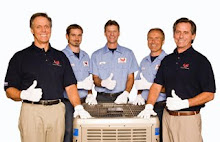
As spring returns, so do allergies. All of the pretty trees and flowers in San Diego that make some people happy make others miserable.
Staying inside doesn't always help. The air quality inside most homes is worse than outside. But there are several things that allergy sufferers can do to help reduce the number of allergens that get circulated throughout their homes. Here are some of them:
• Replace the filters in your heating and air conditioning system. When the filters get clogged, regular airflow may become obstructed, and indoor pollutants get recirculated into the air. New filters are a quick and easy way to get allergy relief, and will help your system run more efficiently.
• Clean your windows to remove dust, cobwebs and other debris. Clean windows will give you more light and remove debris that is likely to trap additional pollen or other allergens.
• Park your car in your garage. Doing so means you won't have to go outside to go between it and your house, and you won't drag allergens in on your clothing.
• Use a high efficiency particulate air (HEPA) purifier to remove particles from your home's air.
Although HEPA filters are often more expensive than other filter options, they will offer the most allergy relief because they are capable of catching very small airborne particles. Air filters overall are given a MERV rating of between 1 and 20 (the MERV rating is a measure of the filter's efficiency), and true HEPA filters have a MERV of between 17 and 20.
There are HEPA air purifiers that will clean a single room, but some furnaces and air conditioners are also able to use HEPA filters, which would bring whole-house relief from allergens. Check your equipment's documentation or consult a professional to make sure your HVAC equipment has enough airflow to use a high efficiency filter.
Air purification is complicated, especially if you have health issues that are being affected by the air quality in your home. To find out more, contact ASI Hastings Heating and Air Conditioning. We can help you sort out the options and find the best solution for you.
Monday, June 13, 2011
Breathe Easy With a UV Air Purifer
Does your home suffer from air quality problems? Many homes do. In fact, the air quality in most homes is worse than the air outside.
Regular air filtration will help with catching airborne pollutants and preventing them from circulating through the air in your home. But air filters don't kill biological contaminants like mold, bacteria or viruses. A UV air purifier adds extra protection for the air in your home.
A UV air purifier uses ultraviolet radiation from UV lamps to kill biological air contaminants. This type of purification system can be part of your home's HVAC system. In this configuration, the UV lamps are located in your ductwork. Airborne pollutants are moved through the ducts via the air circulation created by your heating and cooling system.
There are some considerations to keep in mind with a UV system, though. UV radiation is effective in killing mold spores, and dead mold spores aren't able to grow new mold. However, they can still cause problems with allergies. A UV air purifier can kill biological contamination in your home's air, but things like dust and dead mold spores can still get circulated in the air. So the EPA suggests using a UV purification system in conjunction with a regular air filtration system and proper ventilation to get the best indoor air quality.
If you have questions about air purification, or other concerns about the air quality in your home, contact us at ASI Hastings Heating and Air Conditioning. We're always happy to help. We have the products and the services you need to keep the air in your home safe and fresh.
Regular air filtration will help with catching airborne pollutants and preventing them from circulating through the air in your home. But air filters don't kill biological contaminants like mold, bacteria or viruses. A UV air purifier adds extra protection for the air in your home.
A UV air purifier uses ultraviolet radiation from UV lamps to kill biological air contaminants. This type of purification system can be part of your home's HVAC system. In this configuration, the UV lamps are located in your ductwork. Airborne pollutants are moved through the ducts via the air circulation created by your heating and cooling system.
There are some considerations to keep in mind with a UV system, though. UV radiation is effective in killing mold spores, and dead mold spores aren't able to grow new mold. However, they can still cause problems with allergies. A UV air purifier can kill biological contamination in your home's air, but things like dust and dead mold spores can still get circulated in the air. So the EPA suggests using a UV purification system in conjunction with a regular air filtration system and proper ventilation to get the best indoor air quality.
If you have questions about air purification, or other concerns about the air quality in your home, contact us at ASI Hastings Heating and Air Conditioning. We're always happy to help. We have the products and the services you need to keep the air in your home safe and fresh.


Changing Your Air Filter Saves You Money and Prevents Expensive Breakdowns
An entire agency is dedicated to protecting San Diegans from air pollution -- The San Diego County Air Pollution Control District. This organization endeavors to protect the public from the harmful effects of air pollution, improve air quality and implement cost-effective programs to meet these goals.
Changing your HVAC filters can help you achieve the same goals as this agency, only within your home or business. Filters are out of sight, so they are often out of mind -- until something happens. Dust and dirt entering your heating and air conditioning system can cause mechanical and safety problems. Filters were designed to prevent this; however, since we don't see them, we forget to replace them on a regular schedule.
Modern furnace filters save money by protecting HVAC equipment, but they perform functions far beyond the basics.
Energy Savings
Clogged filters cause the system to work harder to produce the same comfort results, which uses extra energy. Clean furnace filters provide the ventilation your system needs to operate effectively and efficiently -- and they minimize energy use.
Equipment and Repair Savings
Replacing heating and air conditioning systems is costly. Allowing dirt, dust and other particles to enter the system will eventually lead to expensive breakdowns. Semi-annual preventive maintenance and quarterly furnace filter changes will keep your system operating at optimum levels.
Health Savings
Pollen, pet hair and dander, mold spores, dust mites, mildew, smoke, odors and bacteria can travel through your home by way of your HVAC system. To combat the effects of those pollutants, you may spend hundreds of dollars each year on trips to the doctor’s office and medications for allergy-related symptoms. Using a high-quality or HEPA-grade filter can help stop those irritants in their tracks.
Other Savings
Airborne pollutants such as smoke, odors, mold and mildew travel through ductwork. They look like dark streaks extending from vents as a result of neglected furnace filters. You'll waste time and money trying to clean these up.
The professionals at ASI Hastings Heating and Air Conditioning can help you choose the filter that's right for your home or business. We're happy to help.
Changing your HVAC filters can help you achieve the same goals as this agency, only within your home or business. Filters are out of sight, so they are often out of mind -- until something happens. Dust and dirt entering your heating and air conditioning system can cause mechanical and safety problems. Filters were designed to prevent this; however, since we don't see them, we forget to replace them on a regular schedule.
Modern furnace filters save money by protecting HVAC equipment, but they perform functions far beyond the basics.
Energy Savings
Clogged filters cause the system to work harder to produce the same comfort results, which uses extra energy. Clean furnace filters provide the ventilation your system needs to operate effectively and efficiently -- and they minimize energy use.
Equipment and Repair Savings
Replacing heating and air conditioning systems is costly. Allowing dirt, dust and other particles to enter the system will eventually lead to expensive breakdowns. Semi-annual preventive maintenance and quarterly furnace filter changes will keep your system operating at optimum levels.
Health Savings
Pollen, pet hair and dander, mold spores, dust mites, mildew, smoke, odors and bacteria can travel through your home by way of your HVAC system. To combat the effects of those pollutants, you may spend hundreds of dollars each year on trips to the doctor’s office and medications for allergy-related symptoms. Using a high-quality or HEPA-grade filter can help stop those irritants in their tracks.
Other Savings
Airborne pollutants such as smoke, odors, mold and mildew travel through ductwork. They look like dark streaks extending from vents as a result of neglected furnace filters. You'll waste time and money trying to clean these up.
The professionals at ASI Hastings Heating and Air Conditioning can help you choose the filter that's right for your home or business. We're happy to help.
Friday, March 11, 2011
Programmable Thermostats
Programmable thermostats offer many features that go beyond temperature control. Besides convenience, probably the most impressive feature is energy savings. According to the Department of Energy (DOE), programming your thermostat correctly could save you up to $180 a year!
Various models offer different features that fit every users needs and their more attractive than ever. It used to be you needed a computer science degree to program your digital thermostat and many were an eye sore on the wall. Not today!
Some new exciting thermostats on the market today include:
• The Honeywell high-definition thermostat, it not only looks good, they’re easy-to-use.
• The Venstar high resolution Color Touch Thermostat comes with customizable digital display and it allows you to load up to 100 of your own pictures. You can set your photos up as a background or run your own personal slideshow.
• Other state-of-the-art thermostats include the Lennox I touch, and the York Affinity communicating thermostats.
Remote-control thermostats allows individual temperature control in various rooms. Sensors are placed in individual rooms throughout the house, and connected to the main unit. If you want your bedroom warm in the morning, you can set the temperature to rise when you wake up in that specific room. You can also keep children’s rooms from becoming too cold or warm without giving them access to the thermostat. Some remote access models even allow you to adjust settings by phone or internet before you get home.
Programmable thermostats save you money while keeping you comfortable. ASI Hastings will be glad to help you decide which features suit your lifestyle to offer the maximum control, versatility and energy savings
Various models offer different features that fit every users needs and their more attractive than ever. It used to be you needed a computer science degree to program your digital thermostat and many were an eye sore on the wall. Not today!
Some new exciting thermostats on the market today include:
• The Honeywell high-definition thermostat, it not only looks good, they’re easy-to-use.
• The Venstar high resolution Color Touch Thermostat comes with customizable digital display and it allows you to load up to 100 of your own pictures. You can set your photos up as a background or run your own personal slideshow.
• Other state-of-the-art thermostats include the Lennox I touch, and the York Affinity communicating thermostats.
Remote-control thermostats allows individual temperature control in various rooms. Sensors are placed in individual rooms throughout the house, and connected to the main unit. If you want your bedroom warm in the morning, you can set the temperature to rise when you wake up in that specific room. You can also keep children’s rooms from becoming too cold or warm without giving them access to the thermostat. Some remote access models even allow you to adjust settings by phone or internet before you get home.
Programmable thermostats save you money while keeping you comfortable. ASI Hastings will be glad to help you decide which features suit your lifestyle to offer the maximum control, versatility and energy savings
Wednesday, February 9, 2011
Energy Seminar in Chula Vista - Dont Miss Out!!
Chula Vista residents can get up to $13,975 in energy rebates and incentives to make your home more efficient. ASI is hosting a one hour informational energy seminar in Chula Vista this Saturday at 9 AM. Officials from SDG& and the City of Chula Vista will be sharing valuable information on how you can qualify for these incentives.
Saturday, February 12, 2011 from 9 AM to 11 AM
at the Loma Verde Recreation Center.
1420 Loma Lane, Chula Vista, CA 91911-5310
at the Loma Verde Recreation Center.
1420 Loma Lane, Chula Vista, CA 91911-5310
Friday, January 28, 2011
TANKLESS WATER HEATERS
Tankless hot water heaters are becoming a must-have appliance in homes these days. They purport to offer many benefits - instant and endless hot water, less wasted space, and a smaller carbon footprint as well. They can even be used to power radiant underfloor heating that is a luxury found in many green homes.
Here are some basics about how tankless hot water heaters work. Standard non-electric storage hot water heaters typically are about 60% efficient, meaning that 60% of the energy in whatever fuel they burn is converted into heat for your water. The other 40% of energy is wasted, some due to inefficient burners and some due to the gradual cooling of water stored in the tank through time. Tankless or on-demand hot water heaters address both of these issues: they eliminate the storage-related losses, and they employ sophisticated burners and controls to improve on the combustion efficiency. Top-of-the-line models can be 80-85% efficient, which results in a 30+% savings on your hot water energy bills and your carbon footprint compared to your tank in the corner. (electric unit savings will be lower, since storage electric HW heaters already have efficient heating mechanisms).
Efficient hot water heating is a true green no-brainer. Not only are they light on the planet, but they will also increase the comfort of your home and the effectiveness of your appliances. Fortunately, you now have many great options to choose from!
Here are some basics about how tankless hot water heaters work. Standard non-electric storage hot water heaters typically are about 60% efficient, meaning that 60% of the energy in whatever fuel they burn is converted into heat for your water. The other 40% of energy is wasted, some due to inefficient burners and some due to the gradual cooling of water stored in the tank through time. Tankless or on-demand hot water heaters address both of these issues: they eliminate the storage-related losses, and they employ sophisticated burners and controls to improve on the combustion efficiency. Top-of-the-line models can be 80-85% efficient, which results in a 30+% savings on your hot water energy bills and your carbon footprint compared to your tank in the corner. (electric unit savings will be lower, since storage electric HW heaters already have efficient heating mechanisms).
Efficient hot water heating is a true green no-brainer. Not only are they light on the planet, but they will also increase the comfort of your home and the effectiveness of your appliances. Fortunately, you now have many great options to choose from!
Friday, December 3, 2010
Californias New CO Monitor Law
http://www.asiheatingandair.com/
(SB 183- Residential Carbon Monoxide Poisoning Prevention Act)
Under the new law California homeowners will be required to install carbon monoxide detectors starting in july 2011
The bill requires that alarm devices be installed in existing single-family homes that have a fossil-fuel burning appliance, fireplace or attached garage.
BUYER BEWARE: All carbon monoxide monitors are not created equal. Although an inexpensive device will pass the new law, it is important that consumers read the fine print before making a purchase. Most CO monitors on the market have warnings that they can not protect the very old, very young, or those with compromised imune systems due to the fact they don’t sound an alarm until the carbon monoxide has reached very dangerous levels. ASI Hastings recommends it’s customers purchase a “Low Level” carbon monoxide alarm, such as the NSI 3000, that will sound then the readings are as low as 5 parts per million
(SB 183- Residential Carbon Monoxide Poisoning Prevention Act)
Under the new law California homeowners will be required to install carbon monoxide detectors starting in july 2011
The bill requires that alarm devices be installed in existing single-family homes that have a fossil-fuel burning appliance, fireplace or attached garage.
BUYER BEWARE: All carbon monoxide monitors are not created equal. Although an inexpensive device will pass the new law, it is important that consumers read the fine print before making a purchase. Most CO monitors on the market have warnings that they can not protect the very old, very young, or those with compromised imune systems due to the fact they don’t sound an alarm until the carbon monoxide has reached very dangerous levels. ASI Hastings recommends it’s customers purchase a “Low Level” carbon monoxide alarm, such as the NSI 3000, that will sound then the readings are as low as 5 parts per million
Thursday, October 28, 2010
Energy Incentives & Rebates
GET UP TO $11,175 IN INCENTIVES TO LOWER YOUR UTILITY BILLS AND IMPROVE THE COMFORT AND SAFETY OF YOUR HOME!
If your home was built prior to recent California energy code standards you may be eligible for up to $11,175 in incentives to make your home more energy efficient. To encourage homeowners to bring their homes in compliance to today’s energy standards; a massive alliance and new program has formed with the California Energy Commission (CEC), state-wide utilities including San Diego utility rebates and the city of Chula Vista.
Energy Upgrade California has been funded to drive energy upgrades to help you lower your utility bills and optimize your comfort, health and safety. This program also supports California’s goal of a state-wide energy reduction of 40% by 2020.
Available for a limited time in the form of a cash rebate from your local San Diego utility, this incentive can be combined with other existing incentives to save you even more:
ENERGY INCENTIVES & REBATES
Energy Upgrade California (San Diego Utility Provider).......Up To $4000 Cash Rebate
*The City of Chula Vista (For homes located in the CV area) ..Up To $4000 cash Rebate Match
Local Utility Solar Hot Water (Thermal) Incentive........................................Up To $1875
Federal Government Incentive.......................................................................Up To $2400
Manufacturer Energy Efficiency Incentive (Heating and A/C)………..........Up To $1200
High Efficiency Furnace Rebate.......................................................................Up To $200
Federal Tax Credit Based on High Efficiency Measures............................. Up To $1500
TOTAL INCENTIVES AVAILABLE TO YOU:........................................$11,175
TOTAL INCENTIVES AVAILABLE CHULA VISTA RESIDENTS …....$15,175
Energy Upgrades That Maximize Savings and Comfort
If you’re like most homeowners, you face common issues like high utility bills, rooms that are too hot or too cold, as well as drafts. They are signs that your home is wasting energy and money. These incentive levels are unprecedented and the time to act is now as homeowners will respond quickly.
For more information or to schedule an in-home energy audit and consultation,please contact ASI Hastings Heating & Air Conditioning your local quailed BPI* contractor at 1- 800-481-COOL (2665); or visit us online at www.asiheatingandair.com. www.greenhomesamerica.com
Qualifying Energy Upgrades: High Efficiency Heating & Cooling Equipment / Attic & Wall Insulation, Duct Replacement & Air Sealing / Solar Hot Water Solutions/ Windows & Doors
* Program rules stipulate you must use a Building Performance Institute (BPI) certified or accredited contractor and receive a comprehensive home energy audit to guarantee the qualifying rebate amount you will receive when approved upgrades are made. Please note Federal Tax Incentive expires 12/31/2010. Other incentives available while funds last. Contractor will assist with questions regarding all incentive paperwork.
If your home was built prior to recent California energy code standards you may be eligible for up to $11,175 in incentives to make your home more energy efficient. To encourage homeowners to bring their homes in compliance to today’s energy standards; a massive alliance and new program has formed with the California Energy Commission (CEC), state-wide utilities including San Diego utility rebates and the city of Chula Vista.
Energy Upgrade California has been funded to drive energy upgrades to help you lower your utility bills and optimize your comfort, health and safety. This program also supports California’s goal of a state-wide energy reduction of 40% by 2020.
Available for a limited time in the form of a cash rebate from your local San Diego utility, this incentive can be combined with other existing incentives to save you even more:
ENERGY INCENTIVES & REBATES
Energy Upgrade California (San Diego Utility Provider).......Up To $4000 Cash Rebate
*The City of Chula Vista (For homes located in the CV area) ..Up To $4000 cash Rebate Match
Local Utility Solar Hot Water (Thermal) Incentive........................................Up To $1875
Federal Government Incentive.......................................................................Up To $2400
Manufacturer Energy Efficiency Incentive (Heating and A/C)………..........Up To $1200
High Efficiency Furnace Rebate.......................................................................Up To $200
Federal Tax Credit Based on High Efficiency Measures............................. Up To $1500
TOTAL INCENTIVES AVAILABLE TO YOU:........................................$11,175
TOTAL INCENTIVES AVAILABLE CHULA VISTA RESIDENTS …....$15,175
Energy Upgrades That Maximize Savings and Comfort
If you’re like most homeowners, you face common issues like high utility bills, rooms that are too hot or too cold, as well as drafts. They are signs that your home is wasting energy and money. These incentive levels are unprecedented and the time to act is now as homeowners will respond quickly.
For more information or to schedule an in-home energy audit and consultation,please contact ASI Hastings Heating & Air Conditioning your local quailed BPI* contractor at 1- 800-481-COOL (2665); or visit us online at www.asiheatingandair.com. www.greenhomesamerica.com
Qualifying Energy Upgrades: High Efficiency Heating & Cooling Equipment / Attic & Wall Insulation, Duct Replacement & Air Sealing / Solar Hot Water Solutions/ Windows & Doors
* Program rules stipulate you must use a Building Performance Institute (BPI) certified or accredited contractor and receive a comprehensive home energy audit to guarantee the qualifying rebate amount you will receive when approved upgrades are made. Please note Federal Tax Incentive expires 12/31/2010. Other incentives available while funds last. Contractor will assist with questions regarding all incentive paperwork.
Wednesday, September 15, 2010
A National Fire Protection Agency report indicates that heating fire safety is a major concern.
http://www.asiheatingandair.com/
If you're like me, fire safety is always a top priority. Recently I received a 2005 report from the National Fire Protection Agency (NFPA) that I found extremely alarming; after reviewing the information I felt the need to share it with you.
According to the study, there were 62,200 reported home structure fires that involved heating equipment. That's the equivalent of every home in El Cajon, Alpine, La Mesa and Lakeside having a heating related fire in the same year. That unacceptable!
What troubles me most is these fires could have been avoided with common sense and some preventive maintenance. Following the some simple guidelines can help you avoid a heating related fire this winter:
If you use your fireplace as a primary source of heat have your chimney inspected and cleaned as needed.
If you are using a portable heating device: Only operate it when somebody is in the room, be sure that it is located away from draperies and other combustibles materials. If it is electric, be sure the electrical cord is in good shape and don't use extension cords. If it is fuel-burning only used approved fuels in a well ventilated area.
If you have a wall heater or central heating system:
• Have a heating tune-up and safety inspection to verify that they are operating safely and running at maximum efficiency.
• Furnaces are typically located in closets, attics and other discrete areas. If there's a problem you may not know about it right way.
A couple of items worth noting, Older furnaces don't have the necessary safety devices to offer protection in the event of a malfunction. Safety devices on newer furnaces need to be inspected and checked for proper operation. A filter change is only a very small part of a proper tune-up and safety inspection.
Don’t become a statistic…Be safe, have a licensed contractor inspect your heating system EVERY year.
If you're like me, fire safety is always a top priority. Recently I received a 2005 report from the National Fire Protection Agency (NFPA) that I found extremely alarming; after reviewing the information I felt the need to share it with you.
According to the study, there were 62,200 reported home structure fires that involved heating equipment. That's the equivalent of every home in El Cajon, Alpine, La Mesa and Lakeside having a heating related fire in the same year. That unacceptable!
What troubles me most is these fires could have been avoided with common sense and some preventive maintenance. Following the some simple guidelines can help you avoid a heating related fire this winter:
If you use your fireplace as a primary source of heat have your chimney inspected and cleaned as needed.
If you are using a portable heating device: Only operate it when somebody is in the room, be sure that it is located away from draperies and other combustibles materials. If it is electric, be sure the electrical cord is in good shape and don't use extension cords. If it is fuel-burning only used approved fuels in a well ventilated area.
If you have a wall heater or central heating system:
• Have a heating tune-up and safety inspection to verify that they are operating safely and running at maximum efficiency.
• Furnaces are typically located in closets, attics and other discrete areas. If there's a problem you may not know about it right way.
A couple of items worth noting, Older furnaces don't have the necessary safety devices to offer protection in the event of a malfunction. Safety devices on newer furnaces need to be inspected and checked for proper operation. A filter change is only a very small part of a proper tune-up and safety inspection.
Don’t become a statistic…Be safe, have a licensed contractor inspect your heating system EVERY year.
Monday, August 23, 2010
Keeping Your AC & Heating System Clean Saves You Money
www.asiheatingandair.com
The most important part of keeping your furnace and air conditioner properly maintained is keeping it clean. Dust, dirt, and other debris are your heating and cooling system’s worst enemies.
It is equally important to keep both you indoor and outdoor unit clean. Either of these units being dirty will cost you money and wastes energy. A dirty A/C or heater leads to excessively high utility bills, repair bills and premature equipment failure.
To avoid these inconvenient and costly breakdowns, we recommend that your heating and cooling system be checked and serviced twice a year; ideally spring and fall or summer and winter. We also recommend changing your air filter regularly, depending on the type of filter you have. This alone can eliminate many of the most common problems and reduce the likelihood of a serious breakdown
The most important part of keeping your furnace and air conditioner properly maintained is keeping it clean. Dust, dirt, and other debris are your heating and cooling system’s worst enemies.
It is equally important to keep both you indoor and outdoor unit clean. Either of these units being dirty will cost you money and wastes energy. A dirty A/C or heater leads to excessively high utility bills, repair bills and premature equipment failure.
To avoid these inconvenient and costly breakdowns, we recommend that your heating and cooling system be checked and serviced twice a year; ideally spring and fall or summer and winter. We also recommend changing your air filter regularly, depending on the type of filter you have. This alone can eliminate many of the most common problems and reduce the likelihood of a serious breakdown
Tuesday, August 10, 2010
Furnace Filters - What are Merv Ratings
Furnace Filters - MERV
What does MERV rating stand for? Minimum Efficiency Reporting Value.
MERV ratings are a method of determining the efficiency of an air filter used with heating and air conditioning equipment. The efficiency is determined by adding particles of varying sizes (1-12) into a controlled testing environment. The particles are added upstream of the test filter and a laser particle counter samples the air before it enters the filter and after it leaves the filter. The two particle counts are compared to calculate the Particle Size Efficiency of the tested filter. Once this is determined, a MERV Parameters chart is used to determine the MERV rating.
MERV ratings range from 1 - 16 and measurements are in microns. Some of the common particles related to MERV ratings are household dust, pet dander, viruses, tobacco smoke, mold spores, bacteria and pollen.
The most common filters found in homes today have a MERV rating of 1 to 4. Typically these are disposable fiberglass filters purchased from a big box store and do not do a good job of air filtration because they don’t stop particles smaller than 10 microns. Improper air filtration can lead to air conditioner and/or furnace problems as well as poor indoor air quality.
Merv 5 to 8 rated filters are a better choice. These filters will not only keep your equipment running clean and efficient when properly maintained, they also do a better job of filtering smaller dust particles (as small as 3 microns) that trigger symptoms with allergy sufferers. Filter replacement it is recommended a minimum of one time per season depending on usage.
If your air filter becomes clogged up with dirt and other indoor pollutants they will decrease the efficiency of your heating and air conditioning system leading to wasted energy and may cause damage or premature breakdown to your heating and air conditioning equipment.
Filters with a MERV rating of 9 to 12 are considered high-efficiency filters and capture particulate in the 1 to 3 micron range. These filters are a great choice for home owners who want the best air filtration at an affordable price. Much like the higher rated MERV 5-8 filters, these filters should also be replaced at regular intervals to avoid wasted energy, premature repairs or breakdown to your heating and air conditioning equipment.
The most efficient filters have MERV ratings of 13 to 16 (HEPA air filter) and will stop particles as small as .3 microns. These filters are hospital grade and have been adapted for use in residential applications. Super high efficiency air filters should be installed by a professional heating and air conditioning contractor. Improper installations could lead to severe damage to your furnace or air conditioner.
The most common benefits of using a high-efficiency air filter are:
1. Energy savings because of cleaner furnaces and cooling coils.
2. Allergy and asthma relief (in many cases) because of reduced airborne particulates and allergens.
3. Longer heating and air conditioning equipment life.
4. Cleaner homes leading to less need for repainting and furniture cleaning.
ASI Hastings offers a complete line of high-efficiency air filters, UV air purification, humidifiers and other indoor air quality products. Call 1-800-481-COOL (2665) or visit us at asiheatingandair.com for a free in home consultation. For your convenience, ASI Hastings offers evening and weekend service at no extra charge.
What does MERV rating stand for? Minimum Efficiency Reporting Value.
MERV ratings are a method of determining the efficiency of an air filter used with heating and air conditioning equipment. The efficiency is determined by adding particles of varying sizes (1-12) into a controlled testing environment. The particles are added upstream of the test filter and a laser particle counter samples the air before it enters the filter and after it leaves the filter. The two particle counts are compared to calculate the Particle Size Efficiency of the tested filter. Once this is determined, a MERV Parameters chart is used to determine the MERV rating.
MERV ratings range from 1 - 16 and measurements are in microns. Some of the common particles related to MERV ratings are household dust, pet dander, viruses, tobacco smoke, mold spores, bacteria and pollen.
The most common filters found in homes today have a MERV rating of 1 to 4. Typically these are disposable fiberglass filters purchased from a big box store and do not do a good job of air filtration because they don’t stop particles smaller than 10 microns. Improper air filtration can lead to air conditioner and/or furnace problems as well as poor indoor air quality.
Merv 5 to 8 rated filters are a better choice. These filters will not only keep your equipment running clean and efficient when properly maintained, they also do a better job of filtering smaller dust particles (as small as 3 microns) that trigger symptoms with allergy sufferers. Filter replacement it is recommended a minimum of one time per season depending on usage.
If your air filter becomes clogged up with dirt and other indoor pollutants they will decrease the efficiency of your heating and air conditioning system leading to wasted energy and may cause damage or premature breakdown to your heating and air conditioning equipment.
Filters with a MERV rating of 9 to 12 are considered high-efficiency filters and capture particulate in the 1 to 3 micron range. These filters are a great choice for home owners who want the best air filtration at an affordable price. Much like the higher rated MERV 5-8 filters, these filters should also be replaced at regular intervals to avoid wasted energy, premature repairs or breakdown to your heating and air conditioning equipment.
The most efficient filters have MERV ratings of 13 to 16 (HEPA air filter) and will stop particles as small as .3 microns. These filters are hospital grade and have been adapted for use in residential applications. Super high efficiency air filters should be installed by a professional heating and air conditioning contractor. Improper installations could lead to severe damage to your furnace or air conditioner.
The most common benefits of using a high-efficiency air filter are:
1. Energy savings because of cleaner furnaces and cooling coils.
2. Allergy and asthma relief (in many cases) because of reduced airborne particulates and allergens.
3. Longer heating and air conditioning equipment life.
4. Cleaner homes leading to less need for repainting and furniture cleaning.
ASI Hastings offers a complete line of high-efficiency air filters, UV air purification, humidifiers and other indoor air quality products. Call 1-800-481-COOL (2665) or visit us at asiheatingandair.com for a free in home consultation. For your convenience, ASI Hastings offers evening and weekend service at no extra charge.
Thursday, July 29, 2010
Cash for clunker appliances now includes central air conditioners, furnaces and heat pumps
www.asiheatingandair.com
Effective July 28, the California Energy Commission (CEC) will be administering an estimated $20 million for the California State Energy Efficient Appliances Rebate Program (SPEEARP), also known as cash for clunker appliances.
For the first time central air conditioners, furnaces and heat pumps will be included in this program. Funding will be awarded on a first-come, first-served basis to eligible residential consumers who purchase California qualified residential Energy Star appliances. The new heating and air system must replace equipment of the same type that is properly recycled; limit one system per household.
This program will provide up to $1300 in rebates on high efficiency central air conditioners, high-efficiency furnaces and high-efficiency heat pump systems. This $1300, combined with federal tax credits, utility rebates and manufacturer rebates will enable homeowners to get as much as $4,200.00 towards the installation of a new heating and cooling system.
$4200 is huge amount; in my 36 years in the industry I have never seen rebates and incentives like this. Qualifying homeowners will be able to get the most energy efficient equipment ever designed for a fraction of the price. And best of all you will be able to slash the cost of heating and cooling your home 30% to 70%.
This truly is the best time in the history of heating and air conditioning to buy a new furnace or air conditioner. Money for this program is expected to go quickly as it will be providing funds for the entire state of California on major appliances, boilers as well as the replacement of heating and air conditioning equipment.
Restrictions do apply, contact ASI Hastings Heating and Air Conditioning for details. We have energy rebate specialists on staff to answer all your questions.
Effective July 28, the California Energy Commission (CEC) will be administering an estimated $20 million for the California State Energy Efficient Appliances Rebate Program (SPEEARP), also known as cash for clunker appliances.
For the first time central air conditioners, furnaces and heat pumps will be included in this program. Funding will be awarded on a first-come, first-served basis to eligible residential consumers who purchase California qualified residential Energy Star appliances. The new heating and air system must replace equipment of the same type that is properly recycled; limit one system per household.
This program will provide up to $1300 in rebates on high efficiency central air conditioners, high-efficiency furnaces and high-efficiency heat pump systems. This $1300, combined with federal tax credits, utility rebates and manufacturer rebates will enable homeowners to get as much as $4,200.00 towards the installation of a new heating and cooling system.
$4200 is huge amount; in my 36 years in the industry I have never seen rebates and incentives like this. Qualifying homeowners will be able to get the most energy efficient equipment ever designed for a fraction of the price. And best of all you will be able to slash the cost of heating and cooling your home 30% to 70%.
This truly is the best time in the history of heating and air conditioning to buy a new furnace or air conditioner. Money for this program is expected to go quickly as it will be providing funds for the entire state of California on major appliances, boilers as well as the replacement of heating and air conditioning equipment.
Restrictions do apply, contact ASI Hastings Heating and Air Conditioning for details. We have energy rebate specialists on staff to answer all your questions.
Energy Saving Tips
www.asiheatingandair.com
One of the easiest ways to reduce high air conditioning bills is to keep your inside window coverings closed on the sunny side of your house. Homes with a large amount of windows, especially on the west side of the house, can save you as much as 28% on cooling costs.
Central air conditioning systems keep you comfortable by removing heat from your home. The better job you do of keeping heat from entering your home the less work your air conditioner has to do.
Heat gain from a window with no inside shading can be as much as 2 1/2 times greater than a properly shaded window. Therefore, keep your inside shades closed whenever possible. If it's practical use outside awnings to shade your windows, this will completely eliminate any heat gain from the sun through your windows.
This simple measure will reduce the runtime of your central conditioner saving your money three ways:
1. Lower utility costs.
2. Reduced A/C maintenance costs.
3. Less air conditioning repairs.
In addition to saving you money and energy, you'll find your home is more comfortable and you will be helping America towards reducing our carbon footprint and energy independence.
One of the easiest ways to reduce high air conditioning bills is to keep your inside window coverings closed on the sunny side of your house. Homes with a large amount of windows, especially on the west side of the house, can save you as much as 28% on cooling costs.
Central air conditioning systems keep you comfortable by removing heat from your home. The better job you do of keeping heat from entering your home the less work your air conditioner has to do.
Heat gain from a window with no inside shading can be as much as 2 1/2 times greater than a properly shaded window. Therefore, keep your inside shades closed whenever possible. If it's practical use outside awnings to shade your windows, this will completely eliminate any heat gain from the sun through your windows.
This simple measure will reduce the runtime of your central conditioner saving your money three ways:
1. Lower utility costs.
2. Reduced A/C maintenance costs.
3. Less air conditioning repairs.
In addition to saving you money and energy, you'll find your home is more comfortable and you will be helping America towards reducing our carbon footprint and energy independence.
Sunday, July 18, 2010
My Air Conditioner Doesn't Seem To Work Well On Humid Days
HIGH HUMIDITY CHANGES THE WORK LOAD ON YOUR AIR CONDITIONER
www.asiheatingandair.com
Humidity refers to the moisture that has evaporated into the air and exists as an invisible gas.
When trying to determine if an air conditioner is cooling properly you need to take into consideration the amount of moisture in the air.
As the heat is removed from air passing over the evaporator coils, moisture condenses out of it. We know this moisture as condensation and provide a drain line for its disposal.
When the humidity is high there is more moisture in the air and more condensation will be formed. There is a price to be paid for extracting this moisture from the air and we pay in the form of BTU’s. For every pound (1 gallon equals 8 pounds) of condensate water that we produce 970 BTU’s are consumed. (12,000 btu’s equals 1 ton of air conditioning)
These BTU’s are busy removing moisture from the air, so they are not available to help actually cool down the interior of the home. This is why an air conditioner doesn’t seem to be working very well on a really humid day when in fact it is operating perfectly. With so many BTU’s being used to remove moisture there are simply not enough left to do the job of cooling the home.
Here are a few tips to get the most out of your air conditioning system when it’s really hot and humid outside.
1. Close up the house and get your air conditioner turned on early in the morning so it can get the moisture out of your home and get a head start on the cooling process. ( a rule of thumb - it can keep up… but it can’t catch up…)
2. Make sure to use the bathroom exhaust fan when showering to exhaust the extra humidity outside instead of adding it to the air conditioners work load.
3. Pull the shades on any windows that have direct sunlight beaming thru them. This radiant heat will add to the amount of work your air conditioner has to do.
4. When cooking, turn on the exhaust vent to keep the heat added to your home to a minimum
www.asiheatingandair.com
Humidity refers to the moisture that has evaporated into the air and exists as an invisible gas.
When trying to determine if an air conditioner is cooling properly you need to take into consideration the amount of moisture in the air.
As the heat is removed from air passing over the evaporator coils, moisture condenses out of it. We know this moisture as condensation and provide a drain line for its disposal.
When the humidity is high there is more moisture in the air and more condensation will be formed. There is a price to be paid for extracting this moisture from the air and we pay in the form of BTU’s. For every pound (1 gallon equals 8 pounds) of condensate water that we produce 970 BTU’s are consumed. (12,000 btu’s equals 1 ton of air conditioning)
These BTU’s are busy removing moisture from the air, so they are not available to help actually cool down the interior of the home. This is why an air conditioner doesn’t seem to be working very well on a really humid day when in fact it is operating perfectly. With so many BTU’s being used to remove moisture there are simply not enough left to do the job of cooling the home.
Here are a few tips to get the most out of your air conditioning system when it’s really hot and humid outside.
1. Close up the house and get your air conditioner turned on early in the morning so it can get the moisture out of your home and get a head start on the cooling process. ( a rule of thumb - it can keep up… but it can’t catch up…)
2. Make sure to use the bathroom exhaust fan when showering to exhaust the extra humidity outside instead of adding it to the air conditioners work load.
3. Pull the shades on any windows that have direct sunlight beaming thru them. This radiant heat will add to the amount of work your air conditioner has to do.
4. When cooking, turn on the exhaust vent to keep the heat added to your home to a minimum
Sunday, June 20, 2010
Allergy and Asthma Checklist
http://www.asiheatingandair.com
Below is an asthma and allergy checklist to help you fight airborne allergy, asthma & upper respiratory problems. Keeping indoor dirt, dust, pollen's, and other indoor air pollutants out of your home will help you improve your indoor air quality. (IAQ) Many of these allergy solutions below cost little or no money.
1. Remove your shoes before entering your home. Wears slippers or have a pair of indoor shoes that never see the outdoors.
2. Don't use a large whole house or large exhaust fan as they draw unfiltered air into your home. You can easily design system to ventilate your home with clean filtered air. An HVAC (heating, ventilating and air conditioning) professional can assist you with such a design and installation.
3. Use your kitchen exhaust hood while using your stove to eliminate cooking smoke or products of combustion. This is especially critical with gas stoves.
4. If you have a large exhaust fan in your kitchen, be sure to have a makeup air system. An HVAC professional can assist you with the design and installation
5. Use of a HEPA or central vacuum system will minimize the amount of small irritating particles that become airborne while vacuuming your home.
6. If you don't have a central vac system, vacuum your home while allergy sufferers aren't home.
7. Circulate the air in your home with your furnace or heat pump while vacuuming. This will move the air through your air filter. This can generally be accomplished by going to your thermostat and operating your system in the “fan on” position. Older systems may not have this feature.
8. Use a whole house a high-efficiency air filtration & UV air purification system to remove and purify the air in your home.
9. Use vertical blinds in place of fabric draperies or horizontal blinds to reduce dust to accumulation on window coverings.
10. Use hardwood and tile floors whenever possible. Carpet traps many allergens and indoor air pollutants.
11. Use a portable air filter in areas that are most commonly occupied by allergy sufferers. Bedrooms areas are highly recommend.
12. Have you air conditioner and furnace maintained annually to keep mold, dirt and other pollutants from accumulating in your system.
13. Be careful when choosing and using household cleaners and solvents. Gases from these products create VOC’s (volatile organic compounds) and are a major source of indoor air pollution.
14. Adding a whole house humidifier will help minimize the discomfort cause by dry air associated with running your heating system in the winter.
15. Remove large numbers of stuffed animals from bedrooms, at the very least be sure they're clean.
16. Wash sheets and pillowcases in hot water weekly. Use pillow & mattress covers to avoid skin flakes and household dust from impacting mattresses.
17. A properly ventilated bathroom minimizes potential mold build up
Be careful about using disinfectants deodorizers and air cleaners, if you wouldn't drink it you probably shouldn't breathe it.
18. Have the ductwork in your home inspected. Leaky ductwork is a major source of indoor air pollution and wasted energy.
19. Remove or isolate pets that might cause children severe allergy symptoms.
20. Keep pets out of beds and off furniture whenever possible.
Below is an asthma and allergy checklist to help you fight airborne allergy, asthma & upper respiratory problems. Keeping indoor dirt, dust, pollen's, and other indoor air pollutants out of your home will help you improve your indoor air quality. (IAQ) Many of these allergy solutions below cost little or no money.
1. Remove your shoes before entering your home. Wears slippers or have a pair of indoor shoes that never see the outdoors.
2. Don't use a large whole house or large exhaust fan as they draw unfiltered air into your home. You can easily design system to ventilate your home with clean filtered air. An HVAC (heating, ventilating and air conditioning) professional can assist you with such a design and installation.
3. Use your kitchen exhaust hood while using your stove to eliminate cooking smoke or products of combustion. This is especially critical with gas stoves.
4. If you have a large exhaust fan in your kitchen, be sure to have a makeup air system. An HVAC professional can assist you with the design and installation
5. Use of a HEPA or central vacuum system will minimize the amount of small irritating particles that become airborne while vacuuming your home.
6. If you don't have a central vac system, vacuum your home while allergy sufferers aren't home.
7. Circulate the air in your home with your furnace or heat pump while vacuuming. This will move the air through your air filter. This can generally be accomplished by going to your thermostat and operating your system in the “fan on” position. Older systems may not have this feature.
8. Use a whole house a high-efficiency air filtration & UV air purification system to remove and purify the air in your home.
9. Use vertical blinds in place of fabric draperies or horizontal blinds to reduce dust to accumulation on window coverings.
10. Use hardwood and tile floors whenever possible. Carpet traps many allergens and indoor air pollutants.
11. Use a portable air filter in areas that are most commonly occupied by allergy sufferers. Bedrooms areas are highly recommend.
12. Have you air conditioner and furnace maintained annually to keep mold, dirt and other pollutants from accumulating in your system.
13. Be careful when choosing and using household cleaners and solvents. Gases from these products create VOC’s (volatile organic compounds) and are a major source of indoor air pollution.
14. Adding a whole house humidifier will help minimize the discomfort cause by dry air associated with running your heating system in the winter.
15. Remove large numbers of stuffed animals from bedrooms, at the very least be sure they're clean.
16. Wash sheets and pillowcases in hot water weekly. Use pillow & mattress covers to avoid skin flakes and household dust from impacting mattresses.
17. A properly ventilated bathroom minimizes potential mold build up
Be careful about using disinfectants deodorizers and air cleaners, if you wouldn't drink it you probably shouldn't breathe it.
18. Have the ductwork in your home inspected. Leaky ductwork is a major source of indoor air pollution and wasted energy.
19. Remove or isolate pets that might cause children severe allergy symptoms.
20. Keep pets out of beds and off furniture whenever possible.
Furnace Filters - Merv Ratings
http://www.asiheatingandair.com
1. Define MERV rating?Minimum Efficiency Reporting Value
2. MERV ratings are a method of determining the efficiency of an air filter used with heating and air conditioning equipment. The efficiency is determined by adding particles of varying sizes (1-12) into a controlled testing environment. The particles are added upstream of the test filter and a laser particle counter samples the air before it enters the filter and after it leaves the filter. The two particle counts are compared to calculate the Particle Size Efficiency of the tested filter. Once this is determined, a MERV Parameters chart is used to determine the MERV rating.
3. MERV ratings range from 1 - 16 and measurements are in microns. Some of the common particles related to MERV ratings are household dust, pet dander, viruses, tobacco smoke, mold spores, bacteria and pollen.
4. The most common filters found in homes today have a MERV rating of 1 to 4. Typically these are disposable fiberglass filters purchased from a big box store and do not do a good job of air filtration because they don’t stop particles smaller than 10 microns. Improper air filtration can lead to air conditioner and/or furnace problems as well as poor indoor air quality.
5. Merv 5 to 8 rated filters are a better choice. These filters will not only keep your equipment running clean and efficient when properly maintained, they also do a better job of filtering smaller dust particles (as small as 3 microns) that trigger symptoms with allergy sufferers. Filter replacement it is recommended a minimum of one time per season depending on usage. If your air filter becomes clogged up with dirt and other indoor pollutants they will decrease the efficiency of your heating and air conditioning system leading to wasted energy and may cause damage or premature breakdown to your heating and air conditioning equipment.
6. Filters with a MERV rating of 9 to 12 are considered high-efficiency filters and capture particulate in the 1 to 3 micron range. These filters are a great choice for home owners who want the best air filtration at an affordable price. Much like the higher rated MERV 5-8 filters, these filters should also be replaced at regular intervals to avoid wasted energy, premature repairs or breakdown to your heating and air conditioning equipment.
7. The most efficient filters have MERV ratings of 13 to 16 (HEPA air filter) and will stop particles as small as .3 microns. These filters are hospital grade and have been adapted for use in residential applications. Super high efficiency air filters should be installed by a professional heating and air conditioning contractor. Improper installations could lead to severe damage to your furnace or air conditioner.
8. Some of the benefits of using a high-efficiency air filter are energy savings, allergy and asthma relief (in many cases), longer equipment life, cleaner home, less need for repainting and furniture cleaning.
1. Define MERV rating?Minimum Efficiency Reporting Value
2. MERV ratings are a method of determining the efficiency of an air filter used with heating and air conditioning equipment. The efficiency is determined by adding particles of varying sizes (1-12) into a controlled testing environment. The particles are added upstream of the test filter and a laser particle counter samples the air before it enters the filter and after it leaves the filter. The two particle counts are compared to calculate the Particle Size Efficiency of the tested filter. Once this is determined, a MERV Parameters chart is used to determine the MERV rating.
3. MERV ratings range from 1 - 16 and measurements are in microns. Some of the common particles related to MERV ratings are household dust, pet dander, viruses, tobacco smoke, mold spores, bacteria and pollen.
4. The most common filters found in homes today have a MERV rating of 1 to 4. Typically these are disposable fiberglass filters purchased from a big box store and do not do a good job of air filtration because they don’t stop particles smaller than 10 microns. Improper air filtration can lead to air conditioner and/or furnace problems as well as poor indoor air quality.
5. Merv 5 to 8 rated filters are a better choice. These filters will not only keep your equipment running clean and efficient when properly maintained, they also do a better job of filtering smaller dust particles (as small as 3 microns) that trigger symptoms with allergy sufferers. Filter replacement it is recommended a minimum of one time per season depending on usage. If your air filter becomes clogged up with dirt and other indoor pollutants they will decrease the efficiency of your heating and air conditioning system leading to wasted energy and may cause damage or premature breakdown to your heating and air conditioning equipment.
6. Filters with a MERV rating of 9 to 12 are considered high-efficiency filters and capture particulate in the 1 to 3 micron range. These filters are a great choice for home owners who want the best air filtration at an affordable price. Much like the higher rated MERV 5-8 filters, these filters should also be replaced at regular intervals to avoid wasted energy, premature repairs or breakdown to your heating and air conditioning equipment.
7. The most efficient filters have MERV ratings of 13 to 16 (HEPA air filter) and will stop particles as small as .3 microns. These filters are hospital grade and have been adapted for use in residential applications. Super high efficiency air filters should be installed by a professional heating and air conditioning contractor. Improper installations could lead to severe damage to your furnace or air conditioner.
8. Some of the benefits of using a high-efficiency air filter are energy savings, allergy and asthma relief (in many cases), longer equipment life, cleaner home, less need for repainting and furniture cleaning.
Thursday, January 28, 2010
Energy Saving Tips for Heating and Air Conditioning
The US Department of Energy released tips to help you save as much energy and money through heating and cooling. It is important that these tips are followed because no other systems in your home waste more energy or money (about 43% of your utility bill) than those for heating and air conditioning.
• Set your thermostat as low as is comfortable in the winter and as high as is comfortable in the summer.
• Clean or replace filters on furnaces once a month or as needed.
• Clean warm-air registers, baseboard heaters, and radiators as needed; make sure they're not blocked by furniture, carpeting, or drapes.
• Bleed trapped air from hot-water radiators once or twice a season; if in doubt about how to perform this task, call a professional.
• Place heat-resistant radiator reflectors between exterior walls and the radiators.
• Turn off kitchen, bath, and other exhaust fans within 20 minutes after you are done cooking or bathing; when replacing exhaust fans, consider installing high-efficiency, low-noise models.
• During the heating season, keep the draperies and shades on your south-facing windows open during the day to allow the sunlight to enter your home and closed at night to reduce the chill you may feel from cold windows.
• During the cooling season, keep the window coverings closed during the day to prevent solar gain.
Following these tips along with installing energy efficient heating and cooling systems could reduce your environmental emissions from 20% - 50%.
Make sure that any equipment that you do currently have is maintained properly. The Energy Star website gives good tips on what should be done. Click here to visit.
Heating and air conditioning contractors like ASI Hastings are here to help you save money and become energy efficient.
Friday, January 22, 2010
Heating Safety
Heating devices may help you feel cozy and warm, but they can become extremely dangerous if not used properly. Home heating equipment is the second leading cause of household fires in the U.S.; There were an estimated 62,000 home fires in 2005, according to the non-profit National Fire Protection Association (NFPA). The cost of these fires is more than just property damage. The cost includes roughly 700 lives and roughly 1,500 injuries.
Home heating fires are largely preventable when you know the rules. ASI Heating & Air Conditioning’s goal is to reduce the number of home-heating fires in our community. But we need your help. We are urging San Diego families to use extra caution this winter when heating your home.
The majority of heating fire deaths are caused by space heaters! Most heating fires are caused by creosote build-up in the chimney.
To help keep our community safe and warm this season, ASI Heating & Air Conditioning recommends that you follow these guidelines:
- Space heaters need space. Keep all things that can burn, such as paper, bedding or furniture, at least 3 feet away from heating equipment.
- Turn portable heaters off when you go to bed or leave the room.
- Plug power cords only into outlets with sufficient capacity and never into an
extension cord.
- Inspect for cracked, frayed or broken plugs or loose connections. Replace before using.
- Have your furnace, wall heater or floor heater inspected and tune up annually
- Have your chimney inspected each year and cleaned if necessary.
- Use a sturdy fireplace screen.
- Allow ashes to cool before disposing. Dispose of ashes in a metal container.
- Install smoke alarms in every bedroom, outside each sleeping area and on every level of the home. For the best protection interconnect all smoke alarms throughout the home — when one sounds, they all sound. Test smoke alarms at least once a month.
- Install and maintain a carbon monoxide alarm in a central location outside each sleeping area.
- Never use an oven to heat your home.
- For questing regarding your heating needs or to schedule a Precision Tune-up and safety check on your furnace call ASI Heating & Air at 619-590-9300, 760-746-3636, Toll Free 800-481-COOL (2665) or visit us online at asiheatingandair.com
With simple precautions, help us meet our goal of decreasing home-heating fires this winter
Friday, January 15, 2010
Heating Season Tips
Heating Season 2009
(1)
Since 1952, families in the San Diego area have relied on ASI Hastings Heating & Air Conditioning to keep them warm in the winter and cool in the summer. We specialize in heating, air conditioning, air duct cleaning, (Quack. I said duct cleaning not duck cleaning. Oh.) and High efficiency air filtration & allergy solutions. You can breath easy. Aaaah!
(2)
Our expert white gloved technicians are knowledgeable and courteous. We’re licensed, bonded and insured for your protection and offer 7-day service and there’s no extra charge for evenings or weekends. Our Factory-trained & Nationally Certified service technicians are why you can depend on ASI Hastings.
And now a poem from ASI: When the winter gets cold, being on hold really gets old. Sorry for the wait. Please hang on.
(3)
When purchasing a new heating or air conditioning system, your most important choice is your contractor. How many nightmare stories have you heard about contractors that were either incompetent or dishonest. It’s not good when you ask your contractor if he can fix your heater and he says, “No, but I can fix your cat.”
(4)
ASI’s commitment to excellence and customer service has made us a 3 time winner and finalist of the Better Business Bureau Torch Award for business integrity and marketplace ethics. (applause) You’ll Absolutely LOVE OUR famous White Glove Service. We know that details make the difference. Maybe that’s why ASI is the company more San Diegan’s Trust with their air conditioning and heating needs.
(5)
Do you or somebody in your home suffer from allergies, asthma or upper respiratory problems? According to the American Lung association indoor air can be up to 70 times more polluted than the air outside. Isn’t that a pleasant realization, when you’re sitting at the breakfast table and notice there’s smog between you and your bran muffin.
Speak to one of our customer service reps about a free in home consultation and find out how cleaning your ductwork and installing a high efficiency air filter or air purifier can bring you relief from unwanted allergens.
(6)
A recent utility study concluded that a furnace receiving an energy saving precision tune up and safety check will save an average of $32.65 off a typical monthly heating bill compared to a furnace that’s not serviced. Getting a precision tune up makes a lot of cents…and dollars. ASI guarantees the energy savings alone will offset the cost of your tune up or we’ll give you a full refund. So schedule your precision tune up today. And for your convenience we also work evening and weekends.
(7)
Since 1952 referral business has been the foundation of our company. Referrals from valued customers like you are so important to us that we will pay you up to $200 for any referral that results in the installation of a central heating or air conditioning system.
(8)
Reducing your utility bills has never been easier. You may not realize it, but your existing furnace or air conditioner may use two or even three times more energy than today’s high efficiency systems. Find out from one of our white gloved trained professionals how energy savings, along with Federal tax Credits, manufacturer & utility rebates can help you pay for all or part of your new heating & cooling system. And don’t forget, we also work evenings and weekends.
(9)
If you’re thinking of installing or upgrading your heating or air conditioning system, ask one of white glove specialists how you can take advantage of up to twelve months no interest finance program on approved credit. Let San Diego’s Most Trusted Contractor provide you with a free in home consultation today. .
(10)
The California Energy Commission estimates that the average home wastes $487 a year because of leaky ductwork and improperly maintained heating and air conditioning systems? Not only does this mean wasted energy and money it also creates health risks associated with indoor air pollution. Ask one of our customer service representatives about getting a Free duct inspection with any of our services and start saving money and energy today
(11)
If your furnace is over 20 years old it might be time for a replacement. Heating your home with an old worn out furnace is allot like driving your car on bald tires. Don’t take a chance, schedule a precision tune up and safety check today and keep your family safe and comfortable this winter.
(1)
Since 1952, families in the San Diego area have relied on ASI Hastings Heating & Air Conditioning to keep them warm in the winter and cool in the summer. We specialize in heating, air conditioning, air duct cleaning, (Quack. I said duct cleaning not duck cleaning. Oh.) and High efficiency air filtration & allergy solutions. You can breath easy. Aaaah!
(2)
Our expert white gloved technicians are knowledgeable and courteous. We’re licensed, bonded and insured for your protection and offer 7-day service and there’s no extra charge for evenings or weekends. Our Factory-trained & Nationally Certified service technicians are why you can depend on ASI Hastings.
And now a poem from ASI: When the winter gets cold, being on hold really gets old. Sorry for the wait. Please hang on.
(3)
When purchasing a new heating or air conditioning system, your most important choice is your contractor. How many nightmare stories have you heard about contractors that were either incompetent or dishonest. It’s not good when you ask your contractor if he can fix your heater and he says, “No, but I can fix your cat.”
(4)
ASI’s commitment to excellence and customer service has made us a 3 time winner and finalist of the Better Business Bureau Torch Award for business integrity and marketplace ethics. (applause) You’ll Absolutely LOVE OUR famous White Glove Service. We know that details make the difference. Maybe that’s why ASI is the company more San Diegan’s Trust with their air conditioning and heating needs.
(5)
Do you or somebody in your home suffer from allergies, asthma or upper respiratory problems? According to the American Lung association indoor air can be up to 70 times more polluted than the air outside. Isn’t that a pleasant realization, when you’re sitting at the breakfast table and notice there’s smog between you and your bran muffin.
Speak to one of our customer service reps about a free in home consultation and find out how cleaning your ductwork and installing a high efficiency air filter or air purifier can bring you relief from unwanted allergens.
(6)
A recent utility study concluded that a furnace receiving an energy saving precision tune up and safety check will save an average of $32.65 off a typical monthly heating bill compared to a furnace that’s not serviced. Getting a precision tune up makes a lot of cents…and dollars. ASI guarantees the energy savings alone will offset the cost of your tune up or we’ll give you a full refund. So schedule your precision tune up today. And for your convenience we also work evening and weekends.
(7)
Since 1952 referral business has been the foundation of our company. Referrals from valued customers like you are so important to us that we will pay you up to $200 for any referral that results in the installation of a central heating or air conditioning system.
(8)
Reducing your utility bills has never been easier. You may not realize it, but your existing furnace or air conditioner may use two or even three times more energy than today’s high efficiency systems. Find out from one of our white gloved trained professionals how energy savings, along with Federal tax Credits, manufacturer & utility rebates can help you pay for all or part of your new heating & cooling system. And don’t forget, we also work evenings and weekends.
(9)
If you’re thinking of installing or upgrading your heating or air conditioning system, ask one of white glove specialists how you can take advantage of up to twelve months no interest finance program on approved credit. Let San Diego’s Most Trusted Contractor provide you with a free in home consultation today. .
(10)
The California Energy Commission estimates that the average home wastes $487 a year because of leaky ductwork and improperly maintained heating and air conditioning systems? Not only does this mean wasted energy and money it also creates health risks associated with indoor air pollution. Ask one of our customer service representatives about getting a Free duct inspection with any of our services and start saving money and energy today
(11)
If your furnace is over 20 years old it might be time for a replacement. Heating your home with an old worn out furnace is allot like driving your car on bald tires. Don’t take a chance, schedule a precision tune up and safety check today and keep your family safe and comfortable this winter.
Recalled Furnaces Still Starting Fires
NEWS from CPSC
U.S. Consumer Product Safety Commission
CPSC Announces Recall of Furnaces in California
Although this recall occured in Sept. 2000, ASI heating and Air technicians regularly find recalled furnaces still being used today. Don't trust your familys safety to the "Handyman" have a properly trained and certified service technician look at your gas furnace to assure it is safe to operate.
NOTE: Opportunity for remedy from litigation has expired.
CPSC has received more than 50 reports of fires associated with the 140,000 horizontal furnaces manufactured by Consolidated Industries Inc.
Private labelers sold these furnaces in California under the following brand names and model numbers, which are written on a label on an outside panel of the furnace.
CPSC issued a safety alert warning about these furnaces in September 2000. Consolidated Industries (formerly Premier Furnace Co.), which was liquidated under Chapter 7 bankruptcy laws, manufactured approximately 140,000 of these furnaces for sale in California between 1983 and 1994 under many different brand names. About 110,000 of these furnaces were manufactured and distributed under the Premier/Consolidated labels.They include the brand names Consolidated, Premier, Addison, and Weatherking. They are not covered by this recall program. After Consolidated filed for bankruptcy, class action was pursued, and a settlement was ultimately reached in early 2002. However, claimants were required to file a claim by January 13, 2003. Potential claimants who missed the deadline have no remedy available. Even though no remedy is available, CPSC staff believes that the Consolidated, Premier, Addison, and Weatherking furnaces are defective and should be replaced.
These furnaces are normally installed in attics, although some may be installed in crawl spaces. The great majority of these furnaces were installed in homes in California. Some, however, were installed in home in Nevada, near the California border.
The Commission is warning consumers to have their gas-fired furnaces inspected by a licensed heating contractor to determine whether the furnaces are subject to this safety alert. The contractor also should determine whether the burners and/or heat exchangers of units are damaged, or whether wood under or near the furnaces shows signs of damage, such as charring or blackening. If this is the case, the furnace should be replaced immediately.
COMPANY NAME // TRADE NAME //
U.S. Consumer Product Safety Commission
CPSC Announces Recall of Furnaces in California
Although this recall occured in Sept. 2000, ASI heating and Air technicians regularly find recalled furnaces still being used today. Don't trust your familys safety to the "Handyman" have a properly trained and certified service technician look at your gas furnace to assure it is safe to operate.
NOTE: Opportunity for remedy from litigation has expired.
CPSC has received more than 50 reports of fires associated with the 140,000 horizontal furnaces manufactured by Consolidated Industries Inc.
Private labelers sold these furnaces in California under the following brand names and model numbers, which are written on a label on an outside panel of the furnace.
CPSC issued a safety alert warning about these furnaces in September 2000. Consolidated Industries (formerly Premier Furnace Co.), which was liquidated under Chapter 7 bankruptcy laws, manufactured approximately 140,000 of these furnaces for sale in California between 1983 and 1994 under many different brand names. About 110,000 of these furnaces were manufactured and distributed under the Premier/Consolidated labels.They include the brand names Consolidated, Premier, Addison, and Weatherking. They are not covered by this recall program. After Consolidated filed for bankruptcy, class action was pursued, and a settlement was ultimately reached in early 2002. However, claimants were required to file a claim by January 13, 2003. Potential claimants who missed the deadline have no remedy available. Even though no remedy is available, CPSC staff believes that the Consolidated, Premier, Addison, and Weatherking furnaces are defective and should be replaced.
These furnaces are normally installed in attics, although some may be installed in crawl spaces. The great majority of these furnaces were installed in homes in California. Some, however, were installed in home in Nevada, near the California border.
The Commission is warning consumers to have their gas-fired furnaces inspected by a licensed heating contractor to determine whether the furnaces are subject to this safety alert. The contractor also should determine whether the burners and/or heat exchangers of units are damaged, or whether wood under or near the furnaces shows signs of damage, such as charring or blackening. If this is the case, the furnace should be replaced immediately.
COMPANY NAME // TRADE NAME //
MODELS
Amana Company // Amana //
GSE50DN3X
GSE75DN3X
GSE100DN5X
Bard Manufacturing // Bard //
ESG040D36B
ESG050D36B
ESG060D36B
ESG060D48B
ESG080D60B
ESG100D60B
ESG120D60B
ESG140D60B
ESG050D36D
ESG060D48D
ESG075D48D
ESG080D60D
ESG100D60D
ISG060D36AX
ISG080D48AX
ISG100D60AX
ISG120D60AX
ESG050D36B
ESG060D36B
ESG060D48B
ESG080D60B
ESG100D60B
ESG120D60B
ESG140D60B
ESG050D36D
ESG060D48D
ESG075D48D
ESG080D60D
ESG100D60D
ISG060D36AX
ISG080D48AX
ISG100D60AX
ISG120D60AX
Carrier Corporation // Sunburst by Carrier Southern California //
HAC 040N(D,E, or F)3RXC
HAC 050N(D,E, or F)5RXC
HAC 050ND3RXD
HAC 060N(D,E, or F)4RXC
HAC 075N(D,E, or F)4RXC
HAC 080N(D,E, or F)5RXC
HAC 100N(D,E, or F)5RXC
Goettl Air Conditioning Inc. // American Best Goettl //
HAC 050N(D,E, or F)5RXC
HAC 050ND3RXD
HAC 060N(D,E, or F)4RXC
HAC 075N(D,E, or F)4RXC
HAC 080N(D,E, or F)5RXC
HAC 100N(D,E, or F)5RXC
Goettl Air Conditioning Inc. // American Best Goettl //
HAC 040N(D,E, or F)3RCX
HAC 050N(D,E, or F)3RCX
HAC 040N(D,E, or F)3RXD
HAC 050N(D,E, or F)3RXD
HAC 040N(D,E, or F)3RXC
HAC 050N(D,E, or F)3RXC
HAC 060N(D,E, or F)4RXC
HAC 075N(D,E, or F)4RXC
HAC 080N(D,E, or F)5RXC
HAC 100N(D,E, or F)5RXC
HCC 040N(D,E, or F)3RX
HCC 050N(D,E, or F)3RX
HCC 060N(D,E, or F)4RX
HCC 075N(D,E, or F)4RX
HCC 100N(D,E, or F)5RX
HBA 040N(D,E, or F)3RX
HBA 060N(D,E, or F)3RX
HBA 080N(D,E, or F)4RX
HBA 100N(D,E, or F)5RX
HBA 120N(D,E, or F)5RX
HAC 050N(D,E, or F)3RCX
HAC 040N(D,E, or F)3RXD
HAC 050N(D,E, or F)3RXD
HAC 040N(D,E, or F)3RXC
HAC 050N(D,E, or F)3RXC
HAC 060N(D,E, or F)4RXC
HAC 075N(D,E, or F)4RXC
HAC 080N(D,E, or F)5RXC
HAC 100N(D,E, or F)5RXC
HCC 040N(D,E, or F)3RX
HCC 050N(D,E, or F)3RX
HCC 060N(D,E, or F)4RX
HCC 075N(D,E, or F)4RX
HCC 100N(D,E, or F)5RX
HBA 040N(D,E, or F)3RX
HBA 060N(D,E, or F)3RX
HBA 080N(D,E, or F)4RX
HBA 100N(D,E, or F)5RX
HBA 120N(D,E, or F)5RX
Goodman Manufacturing Company// Franklin Electric; Goodman; GMC; Hamilton Electric; Janitrol; Johnstone; Liberty //
HBA 040 ND 3(X, RX, XC or RXC)
HBA 060 ND 3(X, RX, XC or RXC)
HBA 080 ND 4(X, RX, XC or RXC)
HBA 100 ND 5(X, RX, XC or RXC)
HBA 120 ND 5(X, RX, XC or RXC)
HCA 040 ND 3(X, RX, XC or RXC)
HCA 060 ND 3(X, RX, XC or RXC)
HCA 080 ND 4(X, RX, XC or RXC)
HCA 100 ND 5(X, RX, XC or RXC)
HCA 120 ND 5(X, RX, XC or RXC)
HCA 140 ND 5(X, RX, XC or RXC)
HCC 040 ND 3(X, RX, XC or RXC)
HCC 050 ND 3(X, RX, XC or RXC)
HCC 060 ND 4(X, RX, XC or RXC)
HCC 075 ND 4(X, RX, XC or RXC)
HCC 080 ND 5(X, RX, XC or RXC)
HCC 100 ND 5(X, RX, XC or RXC)
HBA 060 ND 3(X, RX, XC or RXC)
HBA 080 ND 4(X, RX, XC or RXC)
HBA 100 ND 5(X, RX, XC or RXC)
HBA 120 ND 5(X, RX, XC or RXC)
HCA 040 ND 3(X, RX, XC or RXC)
HCA 060 ND 3(X, RX, XC or RXC)
HCA 080 ND 4(X, RX, XC or RXC)
HCA 100 ND 5(X, RX, XC or RXC)
HCA 120 ND 5(X, RX, XC or RXC)
HCA 140 ND 5(X, RX, XC or RXC)
HCC 040 ND 3(X, RX, XC or RXC)
HCC 050 ND 3(X, RX, XC or RXC)
HCC 060 ND 4(X, RX, XC or RXC)
HCC 075 ND 4(X, RX, XC or RXC)
HCC 080 ND 5(X, RX, XC or RXC)
HCC 100 ND 5(X, RX, XC or RXC)
Heat Controller Inc. // Comfort-Aire //
GSH40-T3N-X
GSH50-T3N-X
GSH60-T4N-X
GSH75-T4N-X
GSH80-T5N-X
GSH100-T5N-X
GSH50-T3N-X
GSH60-T4N-X
GSH75-T4N-X
GSH80-T5N-X
GSH100-T5N-X
The Trane Company //Trane American Standard //
THN050A936A
THN060A948A
THN075A948A
THN100A960A
THN060A948A
THN075A948A
THN100A960A
Subscribe to:
Posts (Atom)